
Water is your foundation’s worst enemy.
April 2026
This is the second in a series of quarterly articles to help homeowners with things you can do yourself now that can avoid expensive repair work later.
As a local family company, ABV Contractors wants to be your resource when you need us and your source for expertise and advice when you don’t. The article below is one way we can help by sharing simple insights.
This time of year in the Cleveland area, the weather fluctuates greatly. We’ve had sunny 60˚ days followed by snow. One thing we can count on — sometimes unfortunately — is that there’s plenty of water. On average, there are 159 annual rainy days and 46 snowy days in Northeast Ohio, creating 41" of rain and 64" of snow, both of which far exceed the U.S. averages.
If you’re wondering what this has to do with your home’s foundation, it’s simple. Water can be public enemy #1 to your foundation. The cause is what’s called basement water intrusion. As the name indicates, water that doesn’t belong there enters your basement without a proper invitation.
All that rain and melted snow turns into excess groundwater, which has to go somewhere. Too often, water drainage will develop problems with your foundation. Basement water intrusion can weaken the concrete to undermine the foundation’s structural integrity. Soil erosion, freeze-thaw cycles, and hydrostatic pressure (which pushes saturated soil against the foundation walls) can make the foundation walls bow, crack, or shift inward and lead to major damage to your home’s foundation.
We know this from experience because ABV Contractors receives most of our calls this time of year due to cracks and leaks in basements and foundations. So you should be on the lookout for these issues before the damage occurs.
What can you do?
According to Progressive, this form of foundation damage is not covered by your insurance, which only protects against certain perils or events such as severe windstorms or fire. In fact, they consider the situations described above as negligence on your part. In their own words, “If the foundation damage is due to negligence, your insurance won’t cover the repair cost. It's your responsibility to take preventive measures, such as keeping moisture from accumulating or tree roots from causing damage to the structure.” And since insurance doesn’t cover it, then it would be all your money. That’s why it’s so important that you monitor the common causes to prevent issues such as basement water intrusion.
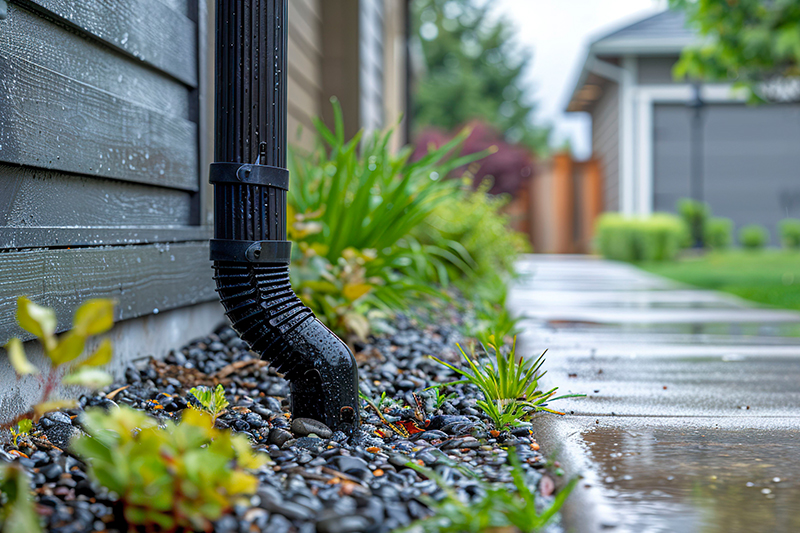
1. Check downspouts — Are they draining properly and pushing water away from the exterior foundation? Overflows, standing water, or water pooling in your yard can be signs of a blocked downspout pipe. Cracks and rust damage can also adversely affect the effectiveness of your downspouts.
According to House Digest, the telltale signs that your downspout is clogged include water not flowing out during a rainfall, water pouring over gutter edges, siding with water stains or damage, leaks in the seams of your gutters and downspouts, sagging gutters or roofing damage, leaks in the basement, and pet infestations. Try testing your downspout by running a water hose along the roof line (it fails if you discover clogs, leaks, or poor slope).
2. Check sump pump — Is it working and in good condition? It’s not if it’s running all the time, it makes loud grinding noises, or if there’s standing water in the pit and frequent flooding. Obvious signs of an aging system are rust, failure to turn on, excessive vibration, and if it keeps tripping the breaker.
To check a sump pump discharge line, manually trigger the pump by pouring water into the pit, then immediately outside to verify water flows freely from the pipe’s exit. You should also inspect the pipe for damage and ensure the check valve moves freely.
3. Check for foundation damage — Are there visible signs of an impending problem? Even those who don’t consider themselves handy around the house can notice issues such as basement cracks, interior wall or floor cracks, slanted floors, moisture in the basement, the odor of mold or mildew, and doors that don’t close properly.
Preventative measures are the easiest and least expensive ways to ensure against causes that can damage your home’s foundation, such as basement water intrusion. Your best bet is to have the professionals at ABV Contractors assess your home’s drainage system to ensure that everything is clear and working properly.
If you have any of the problems described above, don’t wait. The sooner you have an issue addressed, the less likely serious damage will occur. Call us at 440-951-9420 as soon as possible, because the longer you wait, the more repair work will be needed. ABV Contractors Co. is the greater Cleveland area expert in protecting your home’s structural integrity. We’ll inspect, analyze, recommend, and implement what you need and only what you need.